Garden Project Timelines: Charting Patios, Walls and Fences
How long patios, walls and fences take, the order to build them in and the height limits to check, so a garden makeover runs as one joined-up plan.

A garden makeover usually involves more than one job. A new patio, a retaining wall and a replacement fence can all happen in the same few weeks, and the order they are done in affects how long the work takes, how much disruption there is and how good the finished garden looks. Charting the work as a simple timeline makes it much easier to plan.
Typical time on site
- Standard domestic patio: around two to four days
- Straightforward boundary wall: around one to three days
- Standard run of fencing: often completed in a single day
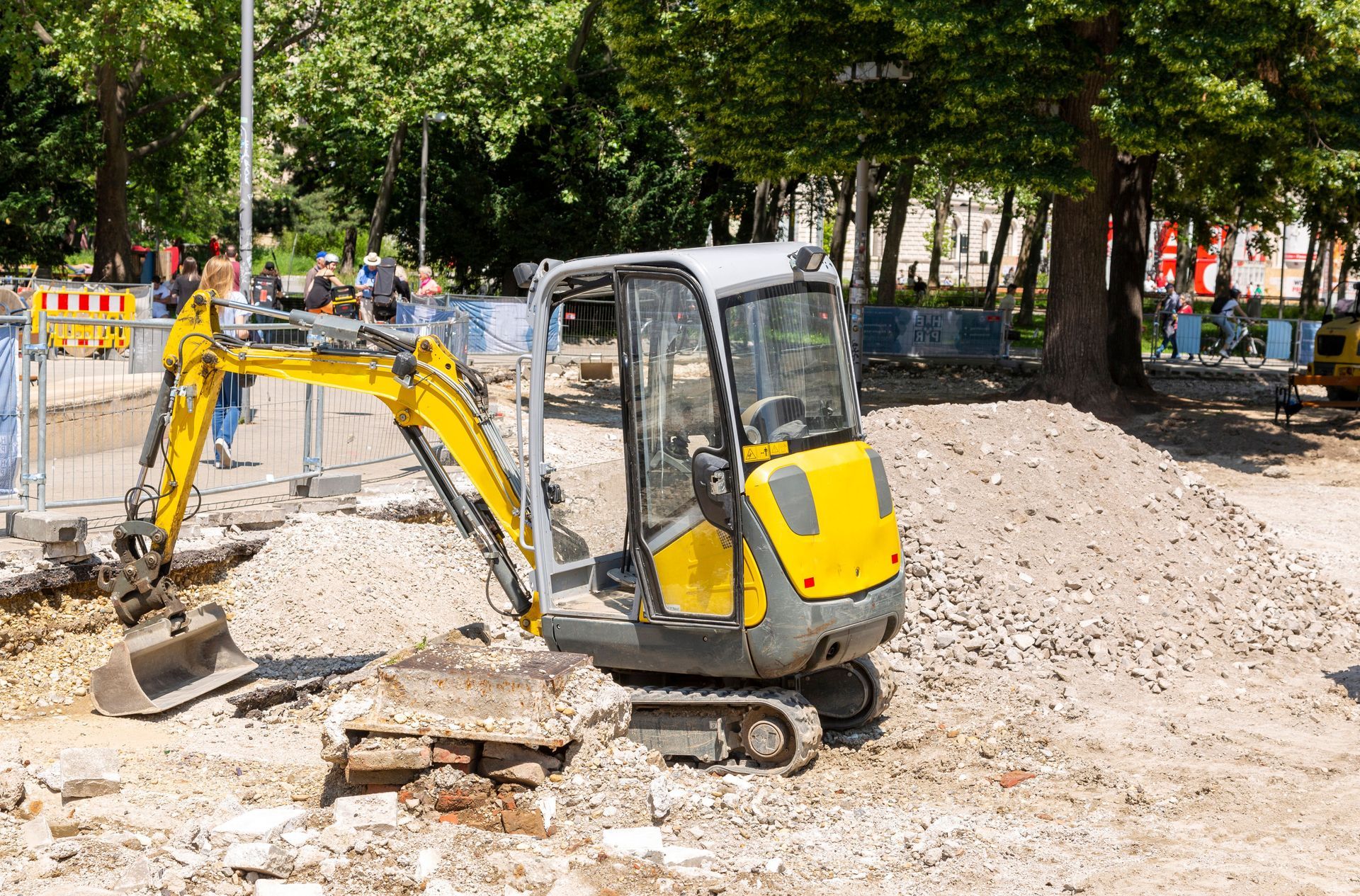
These figures assume reasonable access and ground conditions. Poor ground, steep slopes, narrow access and wet weather all add time, so they are worth marking on the chart as risks rather than surprises.
Getting the order right
- Walls first: retaining and boundary walls set the levels for everything else, and need sound footings and drainage built in from the start.
- Patio next: once the levels are fixed, the patio can be laid with falls that carry rain away from the house.
- Fencing last: new panels go up after the heavy groundwork, so they are not damaged by machinery or spoil.
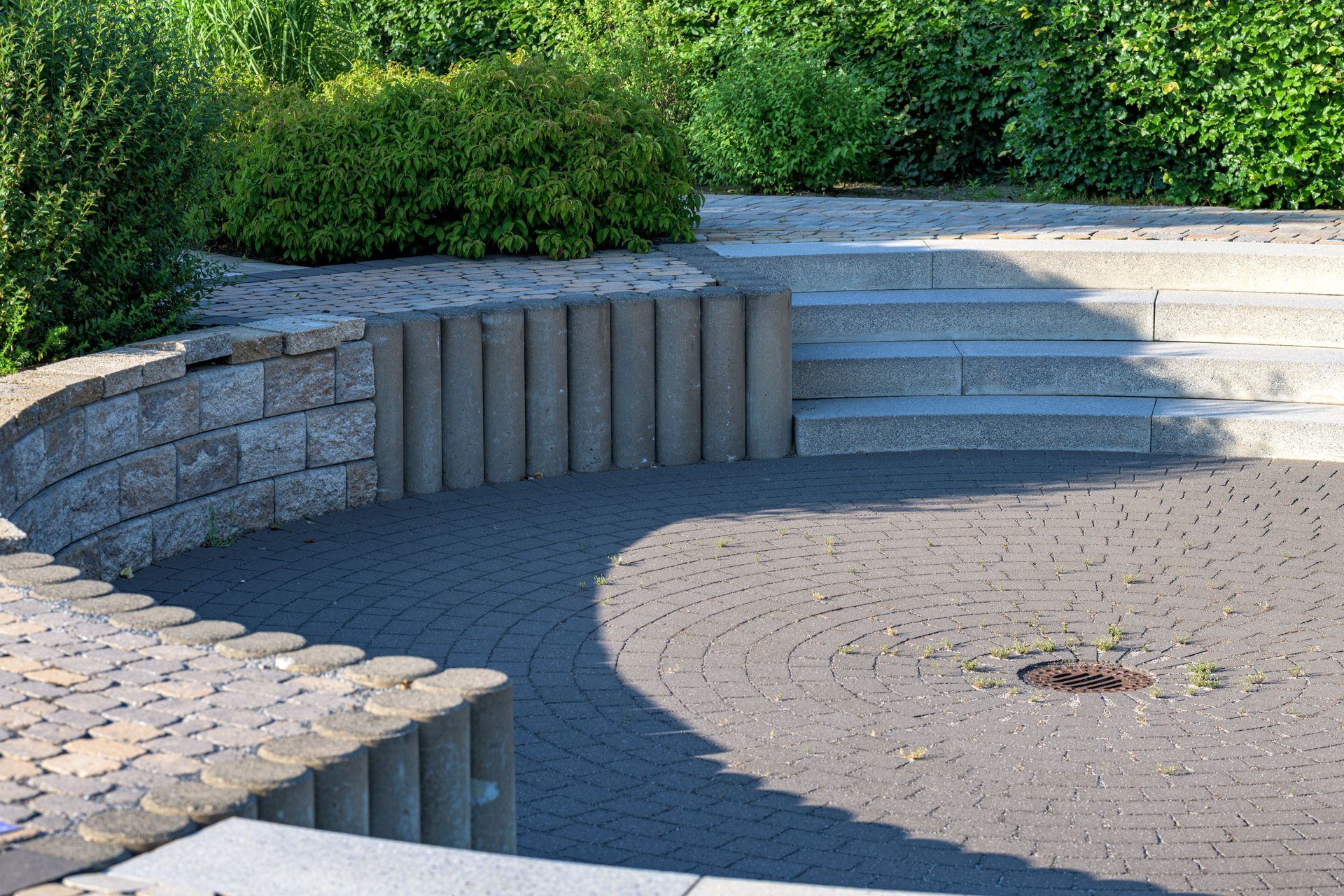
Experienced garden wall builders in Rotherham will build decorative walls on the same footings and drainage as structural ones, which is why a low raised bed can take longer than it looks.
What sits under a patio
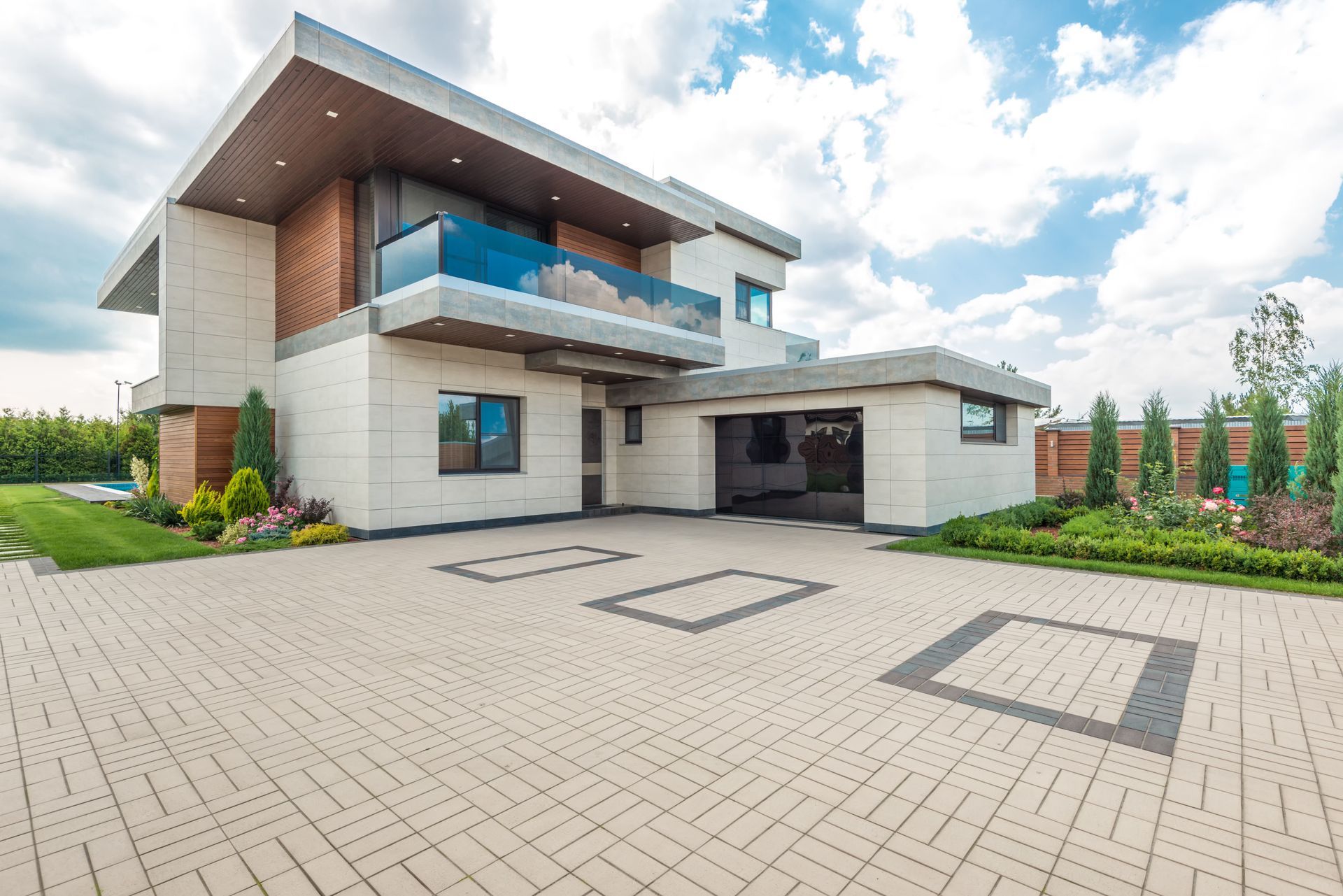
Most of the time on a patio job goes into what you never see: excavating to the right depth, laying and compacting a sub-base, then bedding and pointing the slabs. A team that specialises in patios in Rotherham will lay Indian stone, porcelain or block paving to a fall that keeps water away from the house, and can add steps, tiers and edging at the same time.
Heights worth charting
- Fences and walls beside a road or footpath: generally up to 1m without planning permission
- Fences and walls elsewhere: generally up to 2m
- Conservation areas and listed buildings: stricter rules may apply
Choosing a fence to finish the job
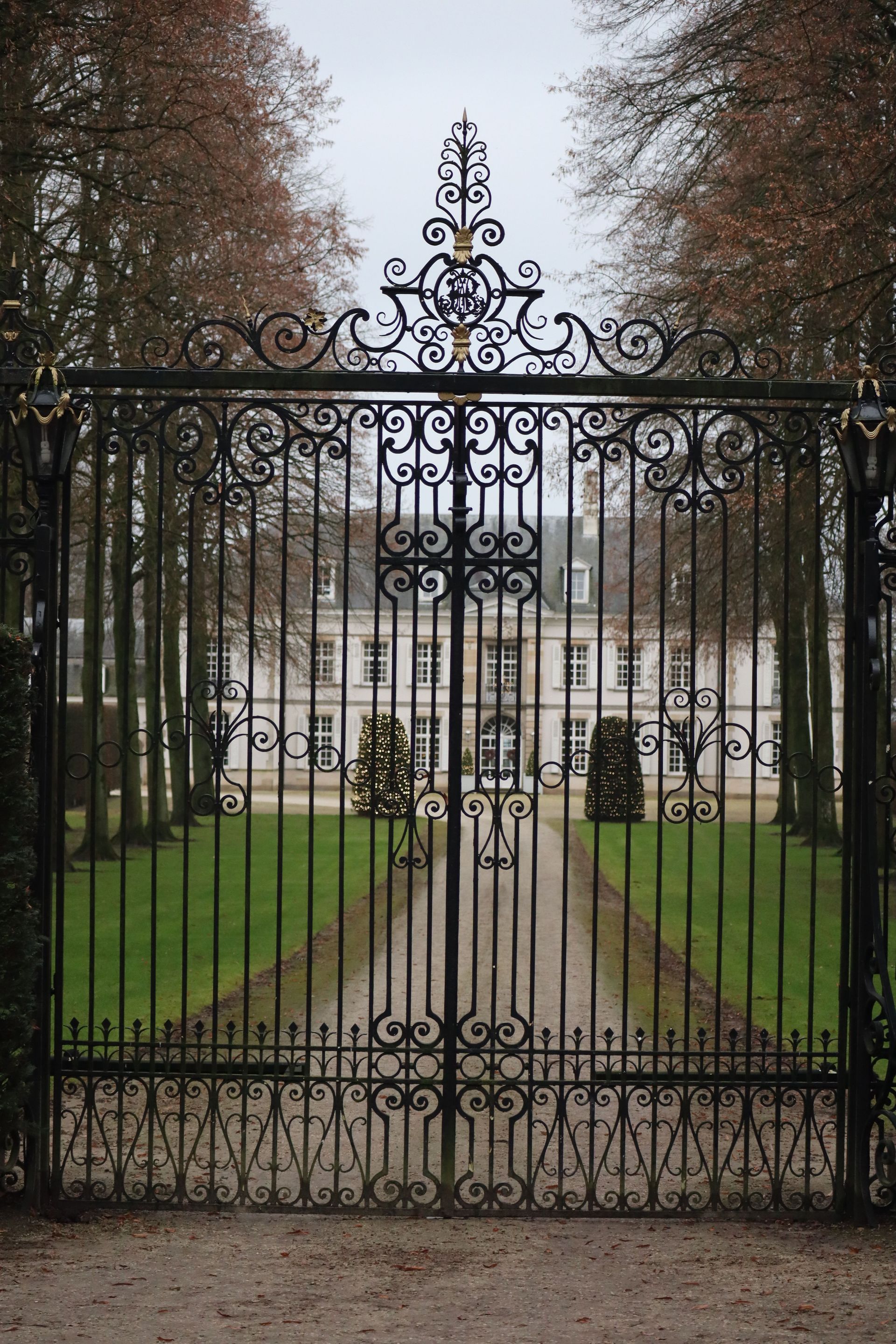
Close-board timber is the most cost-effective option, composite needs the least upkeep, and concrete posts and panels suit long rear boundaries. A good fencing company will fit gravel boards to keep timber off damp ground and set posts to a depth that suits the panel height.
A simple timeline turns three separate quotes into one joined-up plan. For more on landscaping companies and the figures behind their work, see our landscapers category.
More Posts, Facts, Tools & Charts