Artificial Grass or Turf? Comparing the Costs Over Ten Years
Turf is cheaper to lay, artificial grass is cheaper to keep. How to work out the break-even point for your own lawn.
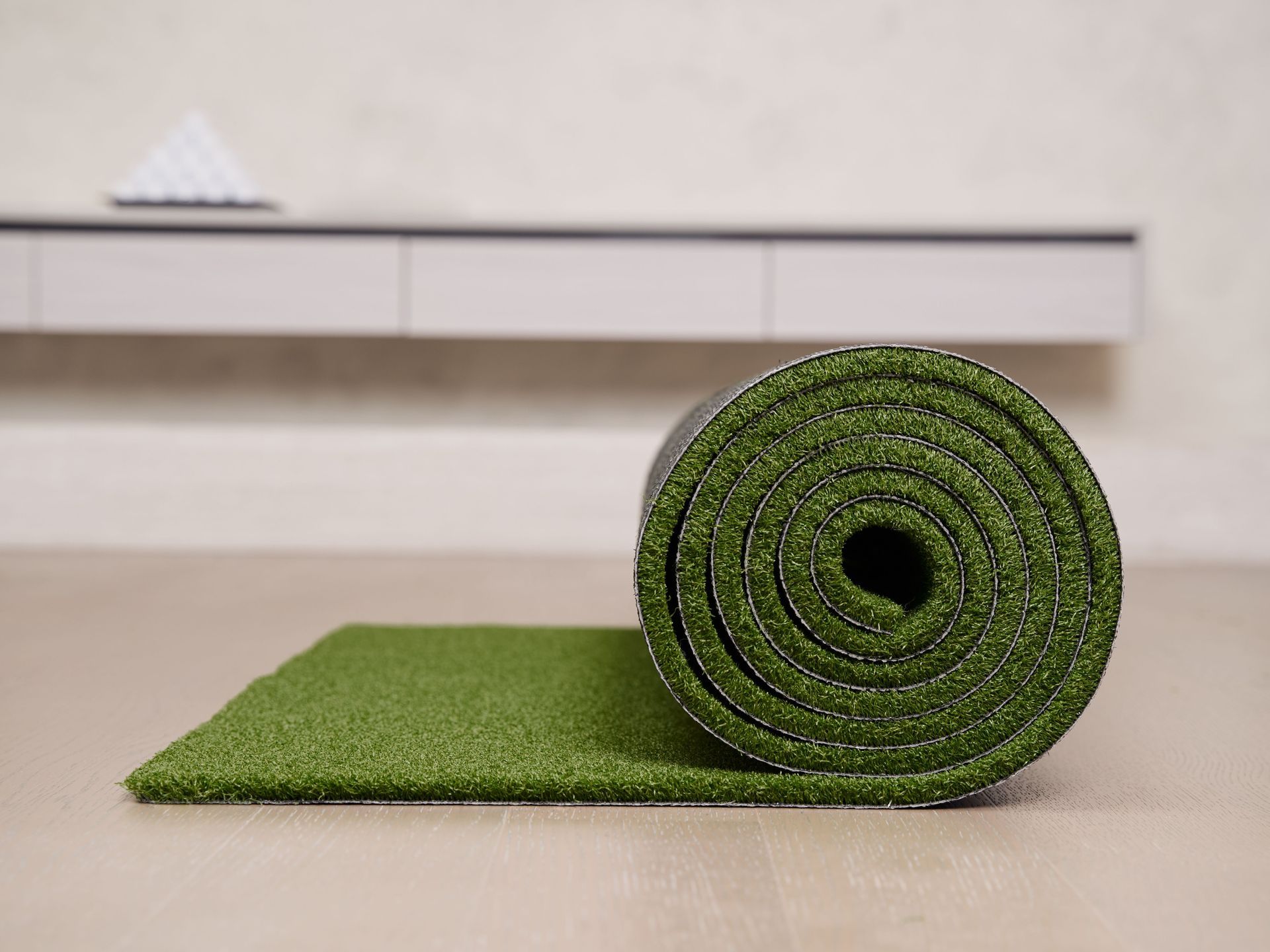
Artificial grass almost always costs more than turf on the day it is laid. The real question is whether it costs more over the life of the lawn. The answer depends on your garden and how you use it, but the method for working it out is the same for everyone, and it only needs a few numbers.
The upfront costs
For artificial grass, the upfront cost is the installation itself: removing the old lawn, laying a compacted sub-base, fitting edging and a membrane, and then cutting and fixing the grass. Turf is cheaper to buy and lay, but a good result still needs the ground clearing, levelling and preparing first. When you compare the two, make sure both prices include the groundwork, not just the materials.
Local prices vary with access, ground conditions and the grass you choose, so it is worth checking typical artificial grass prices in Sheffield or your own area before you start, and then asking for an itemised quote after a survey.
The running costs
This is where the two options separate. A real lawn has a steady list of yearly costs, while artificial grass has very few.
- Turf: a mower and its fuel or electricity, servicing and blades, feed and weed treatments, seed for bare patches, watering in dry spells, and the time spent on all of it
- Artificial grass: an occasional cleaner or odour treatment, a stiff brush or power brush, and topping up infill if it is used
Time is easy to leave out but worth including. Even if you value your own time modestly, mowing, edging and feeding a lawn through the growing season adds up to many hours a year.
Working out the break-even point
Once you have the four main figures, the comparison is a simple calculation:
- Extra upfront cost: the artificial grass price minus the turf price.
- Yearly saving: the turf running cost minus the artificial grass running cost.
- Break-even year: the extra upfront cost divided by the yearly saving.
As a purely illustrative example, if artificial grass cost £2,400 more than turf to install and saved £300 a year in running costs, it would pay for itself in around eight years. With a well-installed lawn lasting ten to fifteen years or more, everything after that point is a saving. Swap in your own figures, because the result changes a lot with lawn size, how much you value your time and how much your current lawn costs to keep.
When dogs change the sums
Dogs can shift the numbers considerably. Urine scorch, digging and constant running wear real grass quickly, so dog owners often spend far more on reseeding and repairs than the average household, and some give up on a lawn altogether. Those repair costs belong in the turf column of your comparison.
A pet lawn does need the right base and membrane so that urine drains away freely, and a regular rinse to keep it fresh. If you are pricing artificial grass for dogs in Sheffield, ask what the installer includes for drainage and odour control so you can add it to the upfront figure.
Making the numbers fair
- Compare like with like: groundwork included in both prices
- Use realistic running costs based on your own lawn, not an ideal one
- Include your time, even at a modest rate
- Check what the guarantee covers and for how long
Laid out this way, the decision becomes much clearer, whichever way the numbers fall for your garden. For more on comparing outdoor projects, see our landscapers category.
More Posts, Facts, Tools & Charts