Cost Per Year of Use: Comparing Decking, Fencing and Garden Rooms
A simple sum that shows why the cheapest quote is not always the cheapest option once lifespan and upkeep are counted.
When people compare garden projects, they usually compare the quote. A more useful figure is the cost per year of use: what the project costs, divided by how many years it will serve you well, with upkeep added on top. It is a simple way to see why the cheapest option at the start is not always the cheapest over time, and it works for decking, fencing, balustrades and garden buildings alike.
The basic calculation
- Installed cost: the full price, including groundwork, removal of anything old and VAT.
- Realistic lifespan: how many years it will last before it needs replacing, not the best case.
- Yearly upkeep: treatments, cleaning, repairs and your own time.
- Cost per year: installed cost divided by lifespan, plus yearly upkeep.
Run the numbers for two or three options side by side and the trade-offs become much clearer.
Fencing: timber or composite?
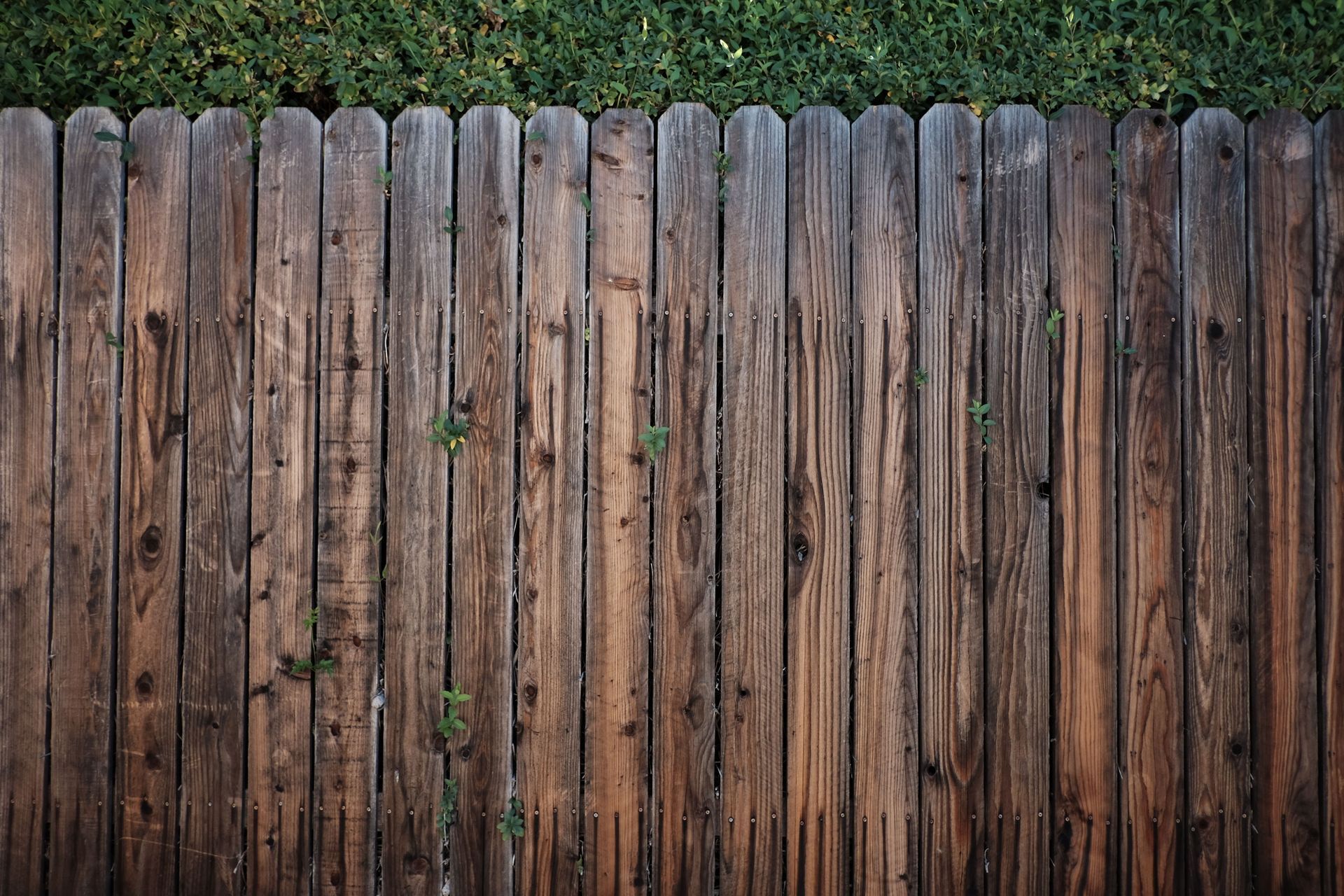
Fencing is one of the clearest examples. Softwood panels are much cheaper to buy and fit, but they need treating every year or two and are prone to warping and storm damage. Composite fencing costs considerably more upfront, yet needs no staining and resists rot, so its yearly cost can end up surprisingly close to timber over a long enough period. Posts make a big difference to both: concrete posts and gravel boards outlast timber posts set directly in the ground.
When comparing quotes for composite fence installation in Sheffield, check that both options include the same posts, gravel boards and removal of the old fence, so you are comparing like with like.
Decking and balustrades
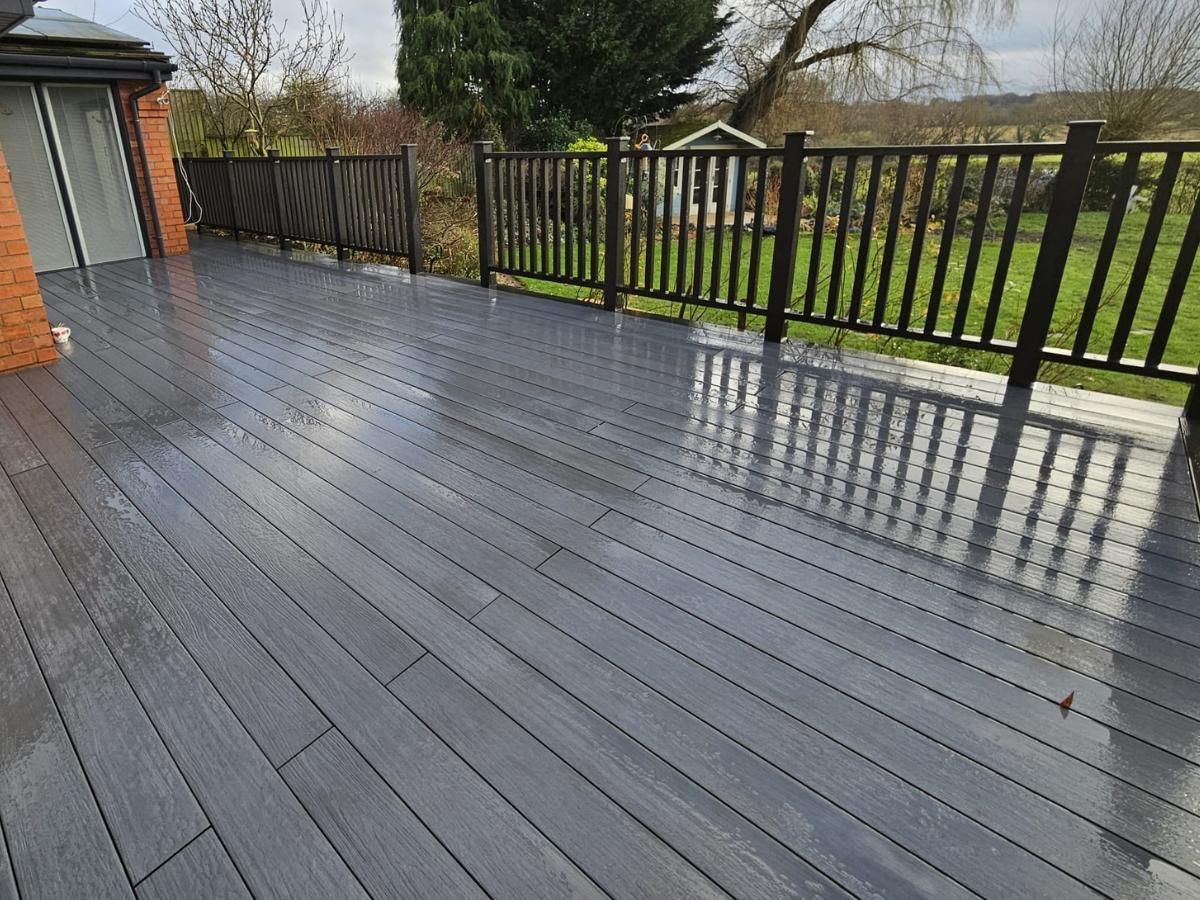
The same logic applies to decking. Timber boards cost less to fit, but need regular cleaning and treatment to stay safe and sound. Composite boards cost more but need little more than an occasional wash. In both cases the frame underneath decides how long the deck really lasts, so it is worth asking how the subframe will be built and protected.
Raised decks add balustrades to the sums. Glass and metal designs need little more than a wipe down, while timber needs the same care as the deck itself. Looking at the full range of deck balustrade options before you commit helps you choose a guard that matches both the look and the maintenance you are happy with.
Garden rooms: cost per hour of use
For a garden building, cost per year is only half the picture. A better measure is cost per hour of use. A summer house that is too cold to use from October to April may only be used for a few hundred hours a year, while an insulated room used as a home office every weekday can be used for well over a thousand. That changes the value of the investment completely.
The difference comes down to insulation, glazing and power. When you compare quotes for insulated garden rooms, check what is included in the floor, walls and roof, and whether the electrics are part of the price.
Bringing the numbers together
- Compare cost per year, not just the quote
- Use realistic lifespans and include upkeep
- For buildings, think about cost per hour of use
- Make sure every quote covers the same scope of work
Working with one team for the deck, fence and garden room also reduces hand-offs and makes the figures easier to compare. Experienced Sheffield deck builders can price all three together. For more on comparing outdoor projects, see our landscapers category.
More Posts, Facts, Tools & Charts