Is Composite Decking Easy for a Competent DIYer to Install?
Composite Decking - easy or difficult to install?
When it comes to enhancing outdoor spaces, few materials are as popular as composite decking. Known for its durability, low maintenance requirements, and aesthetic appeal, composite decking has become the choice of homeowners looking to enjoy their decks year-round without structural concerns. But for those who are handy and enjoy DIY projects, the question arises: Is composite decking easy to install for a competent DIY enthusiast? Let’s explore the ins and outs of composite decking installation, the tools you'll need, and some tips for getting the job done right.
Understanding Composite Decking
Composite decking is made from a mixture of wood fibers, plastic, and other additives, designed to replicate the look of natural wood while eliminating many of its downsides. It’s resistant to rot, insects, and fading, making it a durable choice for outdoor installations. Additionally, composite decking is available in various colors and styles, giving homeowners a range of aesthetic options.
Is Composite Decking Suitable for DIY Installation?
For anyone with a solid understanding of tools and basic construction principles, installing composite decking can be a manageable project. However, it’s important to recognize that it still requires a certain level of skill and precision.
Pros of DIY Installation:
1. Cost Savings: By doing the work yourself, you can save significantly on labor costs.
2. Customization: DIY allows you to customize the design and layout to fit your unique space.
3. Satisfaction: There’s a certain pride in completing a project with your own hands.
Cons of DIY Installation:
1. Time-Consuming: Depending on the size of the deck, the installation process can be time-intensive.
2. Learning Curve: If you’re inexperienced, there may be a learning period to understand the nuances of working with composite materials.
3. Potential Mistakes: Errors can be costly and may result in needing to buy more materials or hire a professional later.
Tools You'll Need for Composite Decking Installation
Before diving into the installation process, ensure you have the right tools at your disposal:
1. Tape Measure: Accurate measurements are critical for any construction project.
2. Chalk Line: This will help mark straight lines to guide your cuts.
3. Circular Saw: Essential for cutting composite boards to length.
4. Drill/Driver: Necessary for securing the boards.
5. Composite Decking Screws: These are specifically designed to avoid issues such as cracking the boards.
6. Level: This is important for ensuring your deck is perfectly flat.
7. Safety Gear: Always wear safety goggles and gloves while working.
Installation Steps
1. Planning and Design: Start by sketching out your deck's design. Take accurate measurements of the space and determine how many composite boards you will need. It’s also essential to consider the layout, including any steps or railings.
2. Preparation of the Site: Clear the area where the deck will be installed. Ensure that the surface is level and make necessary adjustments, such as adding support beams or framing as needed.
3. Installing the Frame: Using treated lumber, build a strong frame that will support the composite decking. Ensure everything is level before securing it into place. This step is crucial; a sturdy frame will prevent problems down the road.
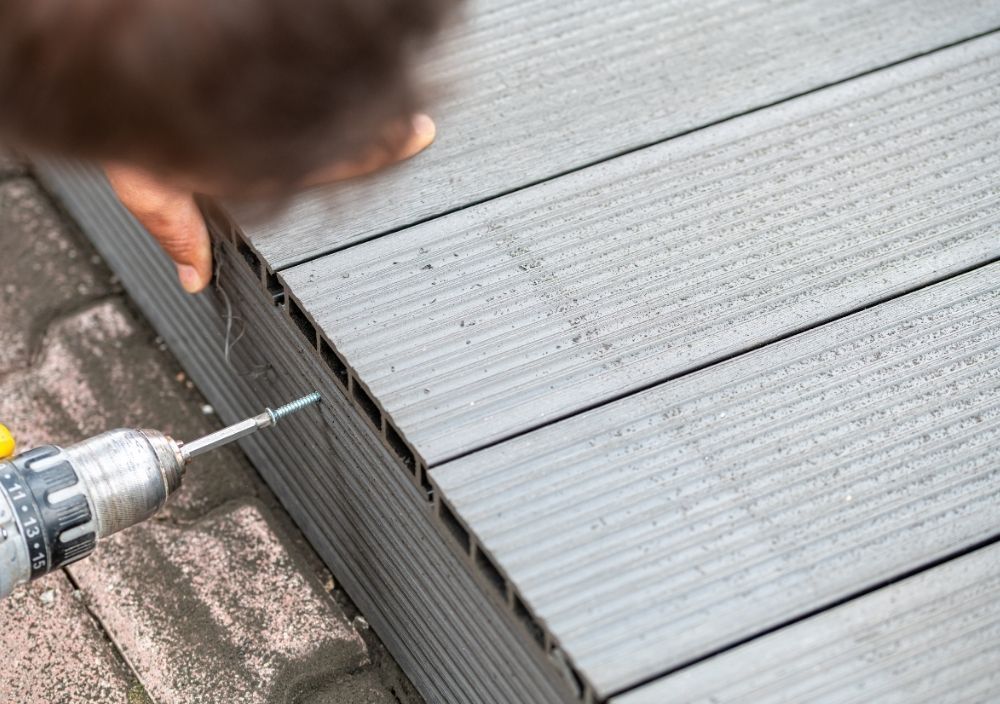
4. Laying the Composite Boards: Begin laying down your composite boards. It’s best to start from the outer edge and work your way inward. Use composite decking screws for the best results and follow the manufacturer’s guidelines for spacing between the boards.
5. Finishing Touches: Once all the boards are laid, cut any boards that require trimming to fit the space perfectly. Consider adding railings and steps for safety and aesthetics.
Tips for Successful Installation
- Read the Manufacturer’s Instructions: Every brand may have unique requirements; familiarize yourself with their guidelines for best results.
- Allow for Expansion: Composite materials expand and contract with temperature changes. Leave sufficient gaps around the edges to accommodate this.
- Work with a Partner: Some pieces can be heavy or awkward to handle alone. Having a buddy can make the process faster and safer.
- Stay Organized: Keep your workspace tidy and organized to minimize confusion and achieve a smoother installation.
Conclusion
For a competent DIY enthusiast, becoming a composite decking fitter can indeed be achievable with additional time compared to a professional composite decking company. The key is to plan thoroughly, use the right tools, and take your time to ensure precision. With the proper preparation and a diligent approach, you can create a beautiful, durable deck that you—and your family and friends—will enjoy for years to come. Whether you’re hosting summer barbecues or enjoying a peaceful evening under the stars, your hard work will undoubtedly pay off. Happy decking!
More Posts, Facts, Tools & Charts