Everything you need to know about Earwax Removal
What should you be aware of regarding the removal of Earwax?
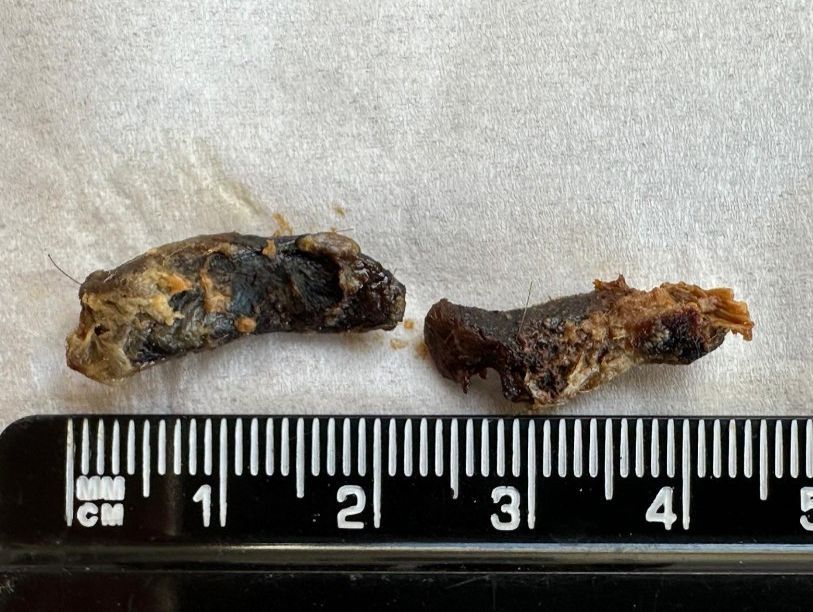
For those who don’t know, earwax is a naturally occurring substance that helps protect and clean the ear canal. Even though it naturally occurs inside our bodies, excessive earwax buildup can lead to discomfort, impaired hearing, and infection.
Because of this, it is essential to understand the proper methods and techniques for removing earwax safely and effectively. Lucky for you, we are here to help. We will discuss everything you need to know about earwax removal.
If you want a safe way to remove earwax, visit a professional ear wax removal Nottingham clinic.
Earwax is Important for Our Ears
Earwax, or cerumen, is essential to the body's natural defense system. Small glands produce it in the ear canal, serving several essential functions.
First, it acts as a protective barrier that helps prevent dirt, dust, and other foreign objects from entering the ear canal.
Second, it has antibacterial and antifungal properties that help fight off infections.
Third, it helps lubricate the skin of the ear canal, which can prevent dryness and irritation.
Finally, it traps dead skin cells and other debris. This helps to keep the ear canal clean.
While earwax may sometimes be seen as a nuisance, it is essential to the body's natural process.
Most People Don’t Need to Clean their Ears
One thing to note is that earwax naturally moves toward the outer ear. Thus, you can easily wipe it away. Attempts to remove earwax using cotton swabs or other objects can push the wax deeper into the ear canal. Doing so can cause impaction or damage to the delicate structures of the ear.
Additionally, removing too much earwax can lead to dryness and irritation. This can increase the risk of infection. Unless there is an excessive buildup of earwax that is causing discomfort or impaired hearing, professionals generally recommend leaving the ears alone and letting the body's natural process take care of it.
Cotton Swabs Can Be Bad for Your Ears
Cotton swabs are a common tool used for cleaning ears. Unfortunately, they can be harmful to your ears. When you insert them into the ear canal, cotton swabs can push earwax further into the canal. This can cause impaction and increase the risk of infection.
In addition, the swab can scratch the sensitive skin of the ear canal. Using cotton swabs can also damage the delicate structures of the ear. This includes the eardrum, which can lead to hearing loss or even more severe complications.
Professionals Can Remove Earwax Safely
Rather than attempting to do it at home, you should hire a professional for earwax removal. Healthcare professionals are trained to safely and effectively remove earwax using specialized tools and techniques.
They can also identify signs of infection or other underlying ear conditions that may require medical attention.
Attempting to remove earwax at home using cotton swabs, ear candles, or other objects can be dangerous and may cause injury to the ear canal or eardrum. By seeking professional help, you can ensure that your ears are safely and effectively cleaned, reducing the risk of complications and promoting better ear health.
More Posts, Facts, Tools & Charts