Office Clearance by the Numbers: Volumes, Electricals and Phased Moves
The volumes, electricals, timescales and paperwork to plan around when an office is cleared.
An office clearance is easier to plan, price and compare when it is broken down into numbers. Here are the figures worth writing down before a move, a downsizing or a closure, and the simple charts that turn them into a clear plan.
Volume: how much is there to clear?
Clearance companies usually think in van loads and cubic yards rather than items. As a rough guide, a builder's skip holds 6 to 8 cubic yards, while a large Luton van holds roughly double that. Counting desks, chairs, filing cabinets and storage units room by room gives a far better estimate than guessing, and a few clear photos of each area let most firms quote without a site visit.
Electricals: counting the WEEE
Computers, monitors, printers, phones and kitchen appliances are waste electrical and electronic equipment (WEEE). They have to be kept separate from general office waste and recycled properly, so it helps to list them on their own. Any device that holds data should be wiped or have its storage destroyed before it leaves the building.
A specialist in office clearance in Bridgend will sort IT and non-IT items as they are loaded, so electricals go for recycling and usable furniture can be reused.
Timescales: phased or all at once?
- Single visit: best for a closure or an empty unit, with everything cleared in one go
- Phased clearance: one floor, team or room at a time, so the business keeps working during a move
- Out of hours: evenings or weekends where staff and customers need the space during the day
Paperwork
Businesses have a duty of care for the waste they produce. Always use a registered waste carrier and keep the waste transfer notes, which in England and Wales must be kept for at least two years. Hazardous waste, such as some electrical items and chemicals, needs its own consignment paperwork.
The odd awkward item
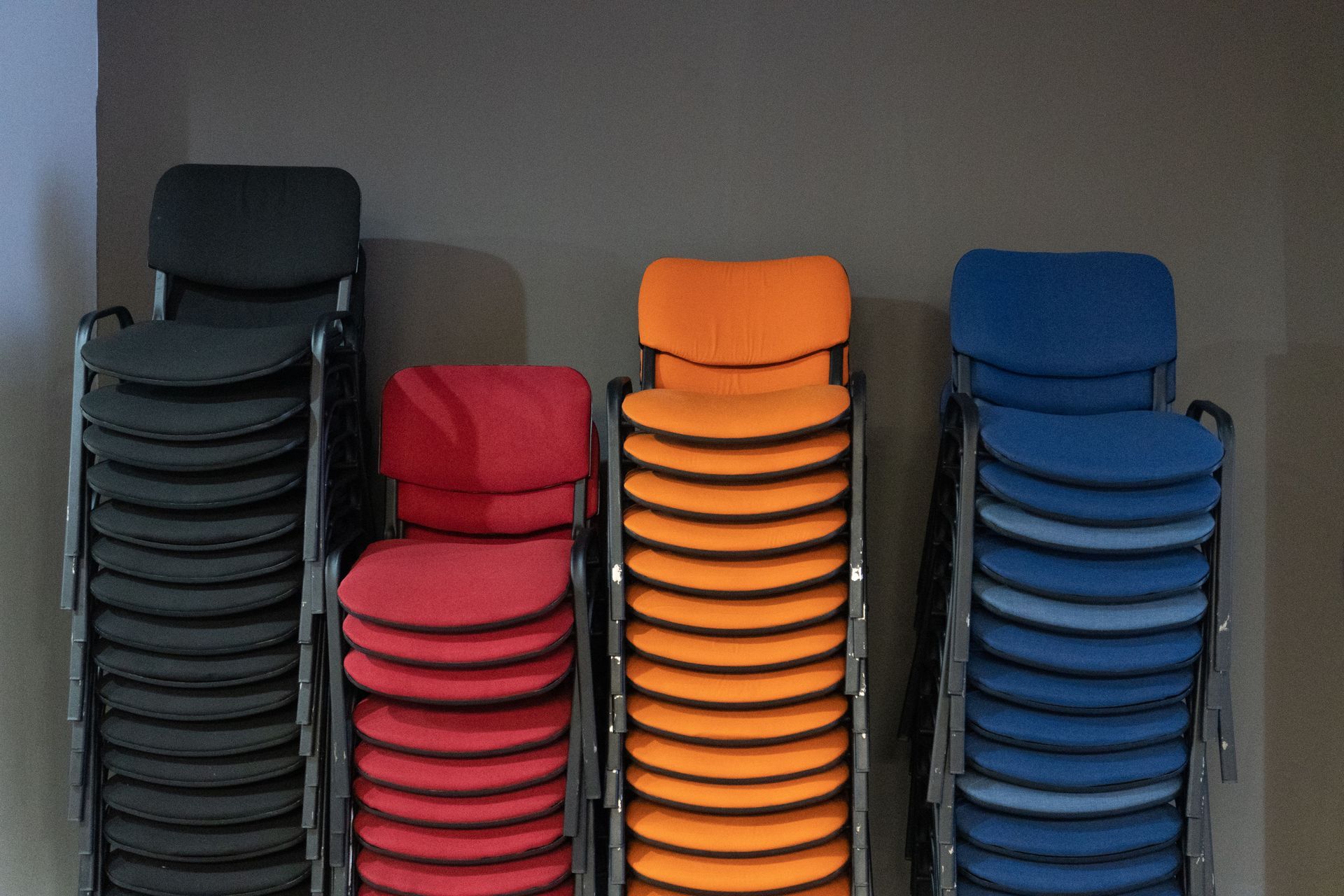
Not every office job needs a full clearance. A single broken boardroom table, a stack of old chairs or a sofa from a breakout area can be dealt with by a bulky waste collection instead, often at short notice.
Three charts worth keeping
- Stacked bar: items by destination for each room, split into reuse, recycling, WEEE and disposal
- Gantt chart: each phase of a staged clearance set against the move date
- Pie chart: the share of the total waste kept out of landfill
Written down early, these figures make quotes easier to compare and show exactly where everything went. For more on charting clearance and cleaning work, see our house clearance category.
More Posts, Facts, Tools & Charts