Tattoo Removal by the Numbers: Sessions, Intervals and Fading
How many sessions laser tattoo removal takes, the weeks between them, what affects the price and three simple ways to chart progress.
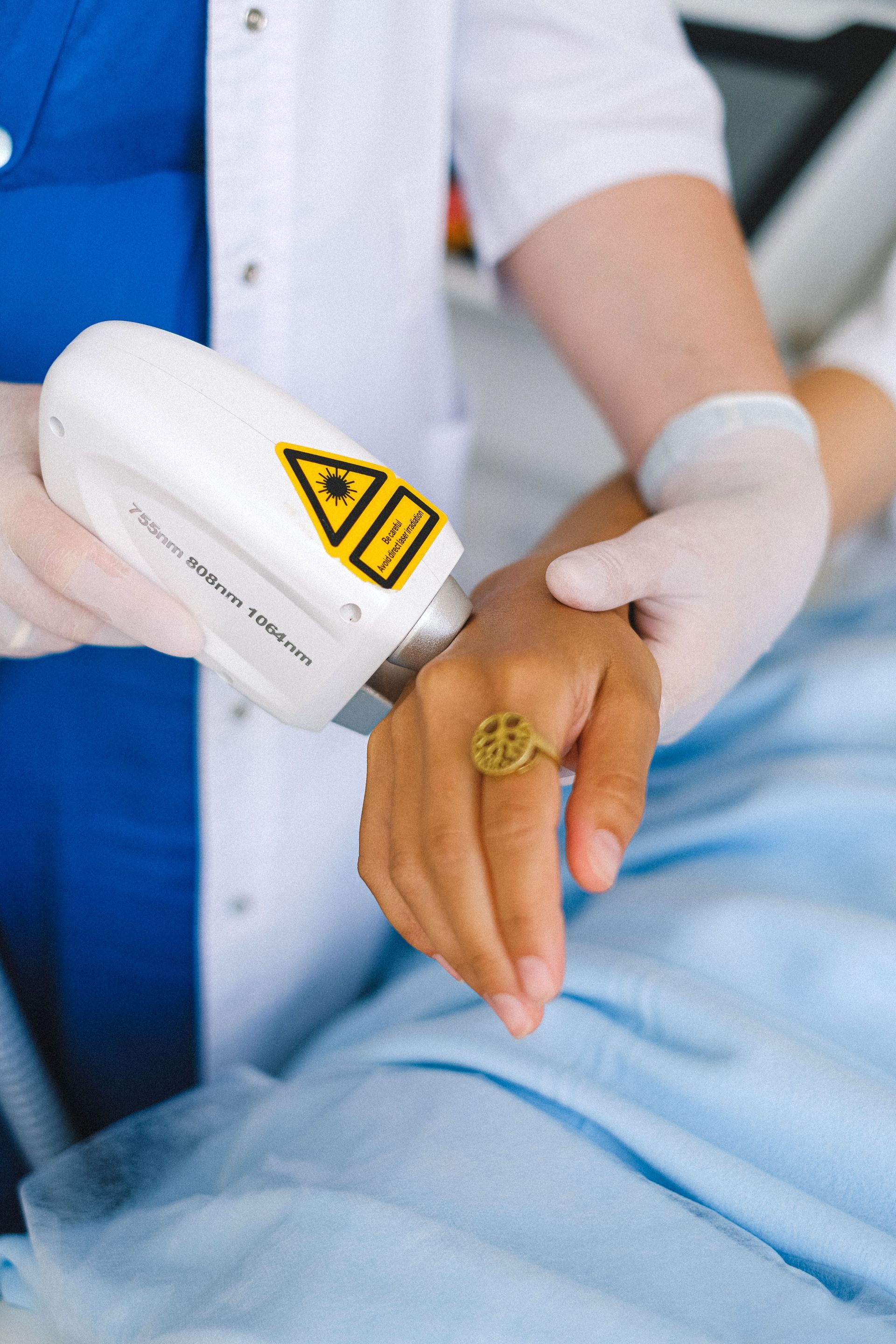
Laser tattoo removal is a gradual process, and the numbers behind it explain why. How many sessions you need, how far apart they are and what affects the price all depend on the tattoo and your skin. Here are the figures worth knowing, and a few simple ways to chart your progress.
Sessions: why removal takes a course
Each laser session breaks the ink into smaller particles, which the body then clears away over the following weeks. That means results build session by session rather than in one visit. As a rough guide:
- Full removal: often a course of several sessions, and more for large, dense or colourful tattoos
- Fading for a cover-up: usually fewer sessions, because the aim is only to lighten the old design enough for a new one
- Semi-permanent make-up: brows and other cosmetic tattoos hold less pigment, but need careful treatment near the eyes
Intervals: weeks between sessions
Most clinics leave around six to eight weeks between sessions, and sometimes longer. The gap gives the skin time to heal and the body time to clear the ink that has been broken down. Booking sessions closer together does not speed things up and can increase the risk of side effects.
What affects the number of sessions
- Ink colour: black is usually the easiest to treat, while blue and green tend to be the most stubborn
- Ink density: professional tattoos often hold more ink than amateur ones
- Age of the tattoo: older tattoos have usually faded naturally and can respond faster
- Skin type: laser settings are adjusted for skin tone, which is why a patch test comes first
- Location: areas with good circulation tend to clear ink more quickly than hands and feet
Fading or full removal?
If you plan to cover an old design with a new one, tattoo fading in Coventry and elsewhere can lighten it enough for a tattoo artist to work over, often in fewer sessions than full removal. It is also gentler on the skin, which is why many people choose it before a cover-up.
Brows need a specialist approach
Microbladed and powder brows are semi-permanent, typically lasting one to three years, but many people want them gone sooner because of a change in style or a result they are unhappy with. Treating skin so close to the eyes calls for careful patch testing and precise laser settings, so laser eyebrow tattoo removal should always start with a consultation.
Price: per session or per course
Pricing is usually per session and depends on the size of the tattoo, the colours and whether you want full removal or fading. Many clinics offer a discount on a course of sessions, and a good one will price the treatment after a consultation and patch test rather than quoting blind. A tattoo removal clinic in Coventry, for example, offers a free consultation with prices starting from £50 per session.
Three ways to chart your progress
- Photo timeline: a photo in the same light before each session, set side by side to show the tattoo lightening
- Session tracker: session dates against the recommended interval, to keep the course on schedule
- Fade score: a simple 0 to 10 rating of how visible the tattoo is, recorded at each visit
Progress can feel slow between visits, but a few photos and figures make it easy to see how far the tattoo has come. For more on charting results for skin treatments, see our skin clinics category.
More Posts, Facts, Tools & Charts