Electrical Upgrades by the Numbers: Rewiring, EV Charging and Home Security
What to measure before a rewire, how to work out the payback on a home charger, and how to compare security quotes by coverage.
Electrical work is easy to put off because, unlike a new kitchen, most of it cannot be seen. Yet it is one of the areas of a home where a few simple numbers can make decisions much clearer. Whether you are thinking about a rewire, an EV charger or a security system, it helps to know what to measure before you ask for quotes.
Rewiring: age, condition and the cost of waiting
The starting point for any rewiring decision is an Electrical Installation Condition Report, or EICR. It records the condition of the installation and grades each issue by urgency, from items that are dangerous and need immediate action to those that are simply recommended improvements. Counting how many urgent items appear, and on which circuits, gives a clear picture of whether targeted repairs are enough or a full rewire makes more sense.
- Age of the wiring: installations from before the 1970s are more likely to need replacing
- Number of urgent items in the EICR, and whether they affect one area or the whole house
- Number of sockets per room compared with how many you actually need
- Timing: how the work fits around plastering and decorating
Timing has a cost of its own. Rewiring after a house has been redecorated means making good twice, so house rewiring is usually cheapest when it is done early in a renovation.
EV charging: home versus public
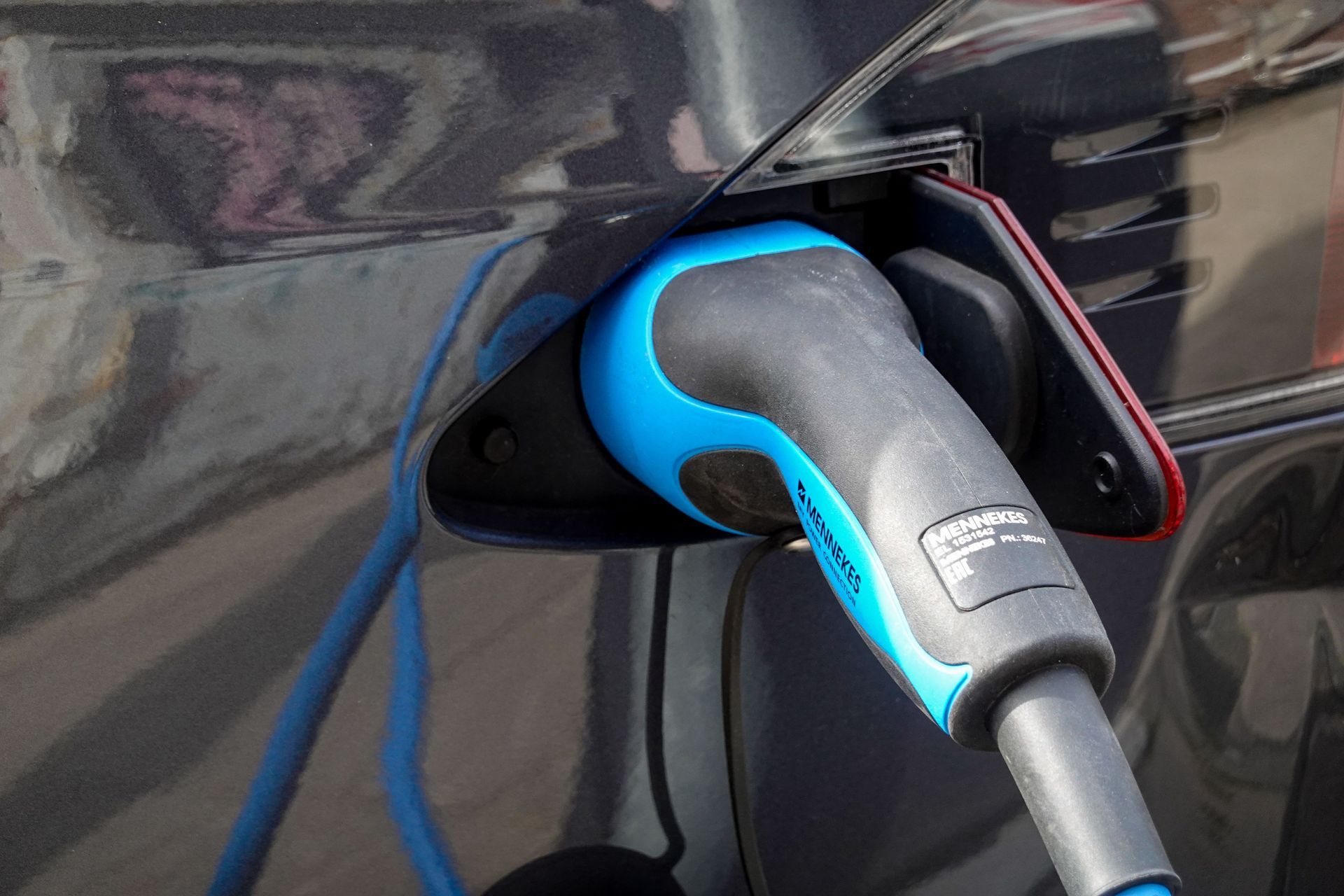
For electric car drivers, the key figure is the difference between home and public charging costs. Charging at home on an off-peak tariff is usually much cheaper per mile than using public rapid chargers, so the more miles you drive, the sooner a home charger pays for itself.
- Annual mileage: how far you drive in a typical year
- Efficiency: how many miles your car covers per kWh
- Tariff: your off-peak home rate compared with typical public charging prices
- Installation cost: the charger, any supply or consumer unit upgrade, and the cable run
Divide the installation cost by the yearly saving to estimate the payback period. When you ask for quotes for home charge point installation, make sure each one includes the survey, any earthing work and the certificate, so the numbers are comparable.
Security systems: coverage and response
Security is harder to put a price on, but there are still useful things to measure. Count the entry points to the house and how many are covered by sensors, note which parts of the garden and driveway are visible on camera, and check how quickly alerts reach your phone. Insurers sometimes take a professionally installed alarm into account, so it is worth asking your provider whether it affects your premium.
The figures also help when comparing CCTV and alarm systems in Derby and elsewhere: two quotes may look similar until you compare how many cameras, sensors and recording days each one actually includes.
Keeping it simple
- Use the EICR as the starting point for any rewiring decision
- Work out a payback period before choosing an EV charger
- Compare security quotes by coverage, not just price
- Keep every certificate for notifiable work
A few minutes with the numbers can turn a vague worry about the electrics into a clear plan. For more on comparing home improvement projects, see our home improvements category.
More Posts, Facts, Tools & Charts