Retaining Walls and Fences by the Numbers: Heights, Drainage and Lifespans
Height limits, wall drainage, post lifespans and warranties: the figures behind a garden boundary quote

Garden walls and fences are judged on looks when they are new, but on numbers over the years that follow: how high they can be, how deep they go into the ground and how long they last. Knowing the main figures makes it easier to compare quotes and to spot a design that may not stand the test of time.
Height limits
In England, walls and fences are usually treated the same for planning purposes:
- Up to 2m high: normally allowed without planning permission in back gardens
- Up to 1m high: the limit next to a road used by vehicles, or the footpath beside it
- Trellis: counts towards the total height when fixed on top of a fence
Listed buildings, conservation areas and estates with planning conditions can have tighter rules, so it is worth checking with the council first.
Retaining walls: height and drainage
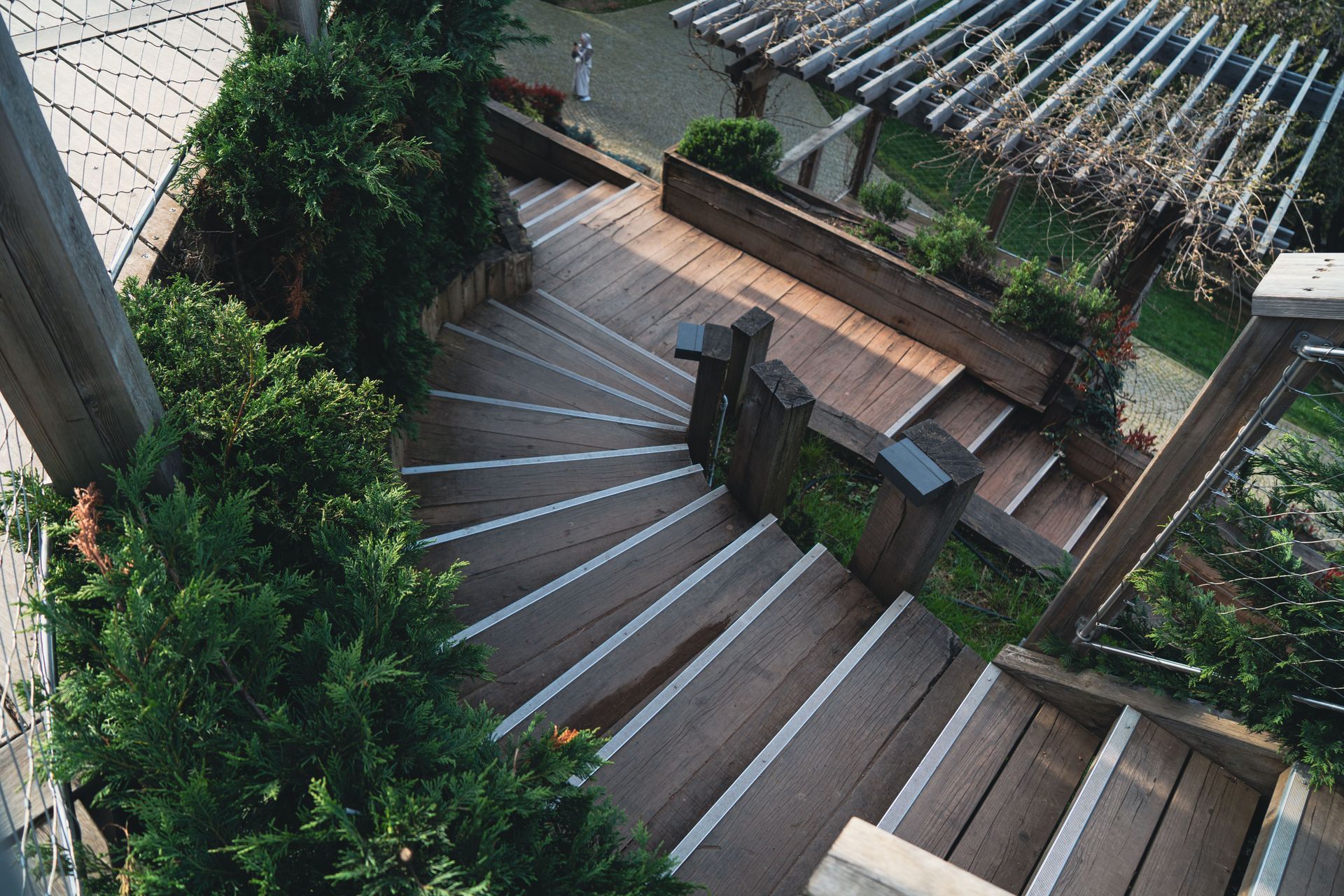
A retaining wall holds back soil, and the pressure on it rises sharply as the wall gets taller. That is why garden retaining walls are usually kept to around 1.2 metres, with taller changes in level split into stepped terraces or designed by an engineer.
- Foundations: deeper and wider as the wall gets taller
- Drainage: free-draining gravel behind the wall, so water cannot build up
- Sleeper walls: softwood sleepers in contact with soil typically last around 10 to 15 years
- Masonry and gabion walls: can last for decades when properly drained
Experienced retaining wall builders in Leeds will measure the length and height of the slope before recommending a wall type and giving a fixed price.
Timber fencing: lifespan and posts
Featheredge closeboard is the most popular timber fence in the UK because it is strong and gives full privacy. How long it lasts depends mostly on the posts and on keeping the timber off the ground.
- Concrete posts: do not rot and can often be reused when panels are replaced
- Gravel boards: keep the bottom of the fence clear of damp soil
- Pressure-treated timber: lasts far longer than untreated or dip-treated wood
If your existing posts are sound, replacing only the panels can cut the cost considerably. A quote for featheredge garden fencing should say which posts are being kept and which need replacing.
Composite fencing: warranties and upkeep
Composite fencing costs more to buy than timber, but the numbers change over its lifetime. It does not need treating or painting, and manufacturer warranties of around 20 years are common. Entry-level ranges often fit existing concrete posts, while premium ranges use aluminium or steel-core posts. Comparing quotes for composite fencing over 20 years, rather than on day one, gives a fairer picture.
Five figures to record
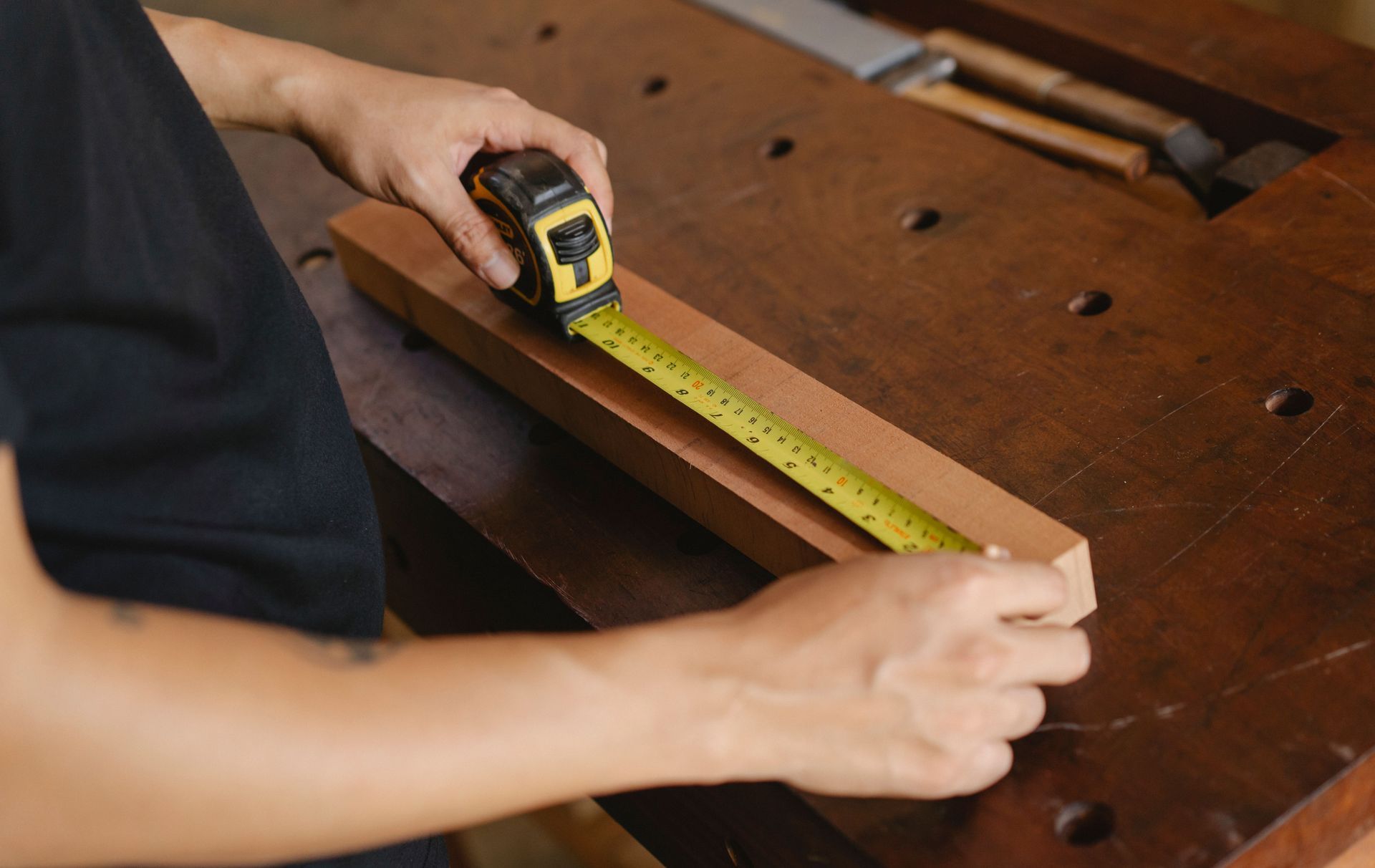
- Boundary length: in metres, for each side.
- Wall height: and the change in ground level it holds back.
- Post condition: how many can be reused.
- Warranty length: for materials and workmanship.
- Install date: so you can track how long each boundary lasts.
A few simple figures turn a garden boundary into something you can plan and budget for. For more on measuring landscaping projects, see our landscapers category.
More Posts, Facts, Tools & Charts