Car Repairs by the Numbers: Brake Pads, Clutch Life and Air Con Gas
The pad thicknesses, clutch mileages and air con gas types that decide when a repair is due
Car maintenance is full of numbers: pad thicknesses, mileages, gas types and service intervals. Most drivers never see them, but they are what a mechanic uses to decide whether a part needs replacing now or can wait. Knowing the main figures makes it easier to understand a quote and to plan repairs before they become urgent.
Brakes: millimetres and years
Brake pads start with roughly 10 to 12mm of friction material. Most manufacturers recommend replacing them at around 3mm, and a warning light or a squeal is often the first sign they are close to that point. Discs wear too, and each has a minimum thickness stamped on it.
- New pad material: around 10 to 12mm
- Replace pads at: around 3mm
- Brake fluid: commonly changed every two years, as it absorbs moisture over time
Recording pad readings at each service shows how quickly your brakes are wearing. When it is time for mobile brake fitting, you will already know roughly how long the new set should last.
Clutches: mileage and driving style
A clutch can last anywhere from around 60,000 to well over 100,000 miles. The range is wide because driving style matters so much: stop-start town traffic, riding the clutch and frequent hill starts all shorten its life, while steady motorway miles barely touch it.
Replacing a clutch means removing the gearbox, so it is one of the larger jobs most cars will need. Many diesel cars also have a dual mass flywheel, which often wears at a similar rate and is replaced at the same time. A clutch replacement in Reading carried out on your driveway avoids the cost of recovering the car to a garage.
Air conditioning: gas types and intervals
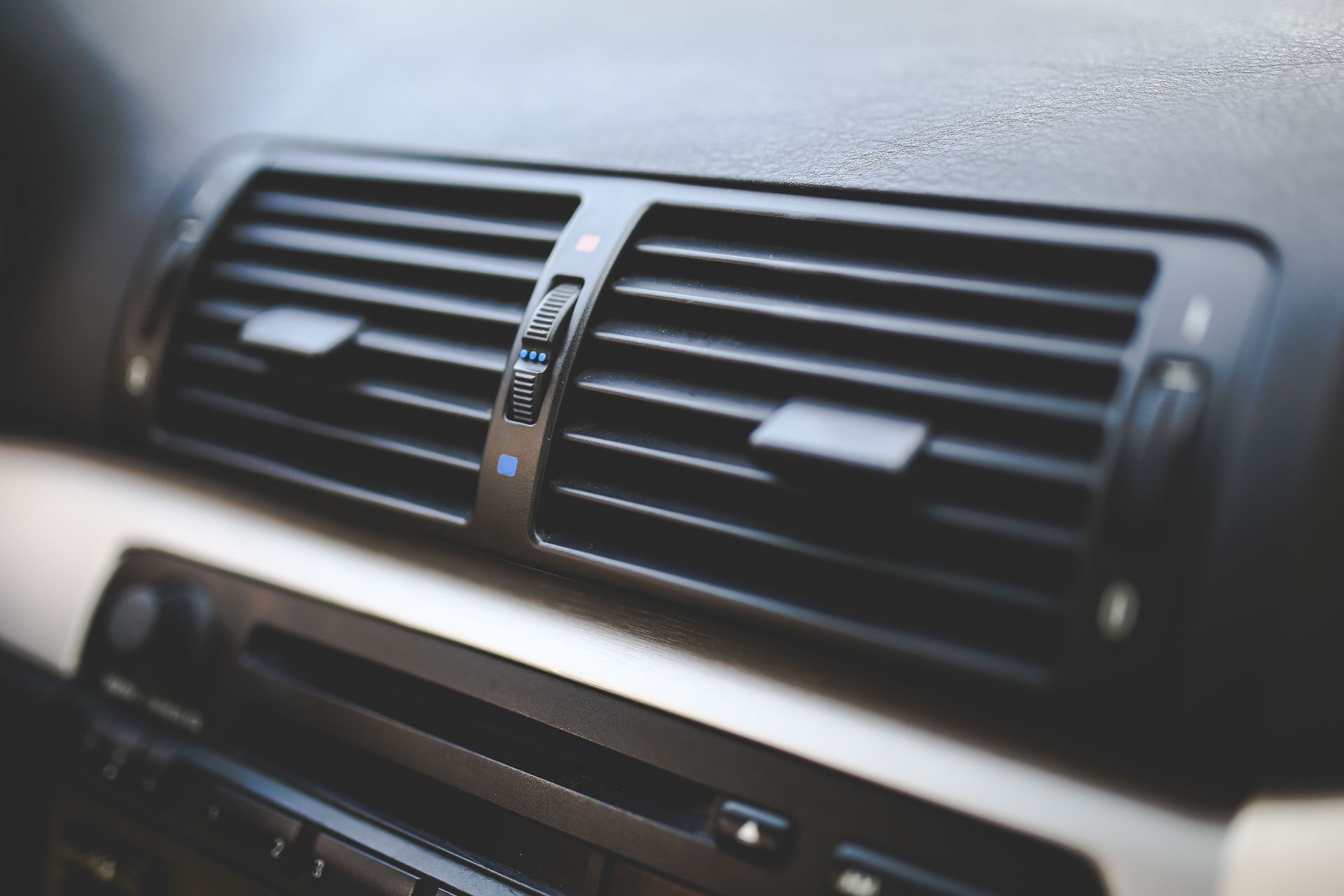
Car air conditioning gradually loses refrigerant, so cooling fades over time. Two types of gas are in common use:
- R134a: used in most older cars
- R1234yf: used in most cars built since around 2017, and more expensive to replace
- Typical interval: a recharge every two years or so
The gas type is set by the car, so it is worth checking which one yours uses before booking an air conditioning regas.
Five figures worth tracking
- Pad thickness: front and rear, at every service.
- Brake fluid age: the date it was last changed.
- Clutch mileage: the mileage when it was last replaced.
- Air con regas date: and the gas type your car uses.
- MOT advisories: anything noted as wearing but not yet a failure.
A simple record of these figures turns car maintenance into a plan rather than a series of surprises. For more on measuring mobile mechanic work, see our mobile mechanics category.
More Posts, Facts, Tools & Charts