Flooring by the Numbers: Wear Ratings, Lifespan and Preparation Costs
AC ratings, usage classes, cost per year and drying times: the figures that show how well a new floor will really perform.
Flooring is one of the few home improvements where a few published figures tell you a great deal about how a product will perform. Wear ratings, usage classes and drying times are printed on specification sheets for a reason, yet most people choose a floor by colour alone. Looking at the numbers first makes it much easier to compare quotes and pick a floor that will last.
Wear ratings: matching the floor to the traffic
Laminate is graded on the AC scale under EN 13329. AC3 is the usual choice for bedrooms and living rooms, AC4 suits hallways, kitchens and light commercial use, and AC5 is designed for commercial floors. Luxury vinyl tile uses usage classes under EN ISO 10874, from class 21 for light domestic use up to classes 33 and 34 for heavy commercial traffic, along with a stated wear layer thickness.
- Bedrooms: lower traffic, so AC3 laminate or domestic-class LVT is usually enough
- Hallways and kitchens: the busiest rooms in most homes, where AC4 or a heavier LVT wear layer pays off
- Shops and offices: commercial classes are designed for constant foot traffic and cleaning
When you compare quotes for laminate flooring in Derby or elsewhere, check that each one names the AC rating, as two boards that look identical can perform very differently.
Lifespan and cost per year
A simple way to compare floors is cost per year: the installed price divided by the number of years it is likely to last in that room. A cheaper floor that wears out in five years can cost more per year than a better one that lasts fifteen. Good laminate typically lasts ten to twenty years depending on its rating and use, while a well-specified LVT can last as long or longer and copes better with water.
LVT's wear layer is the figure to watch. A thicker wear layer resists scratches and scuffs for longer, which is why commercial ranges have heavier wear layers than domestic ones. For LVT installation in a busy kitchen or hallway, it can be worth paying a little more for a heavier wear layer to extend the life of the floor.
The hidden figure: preparation and drying time
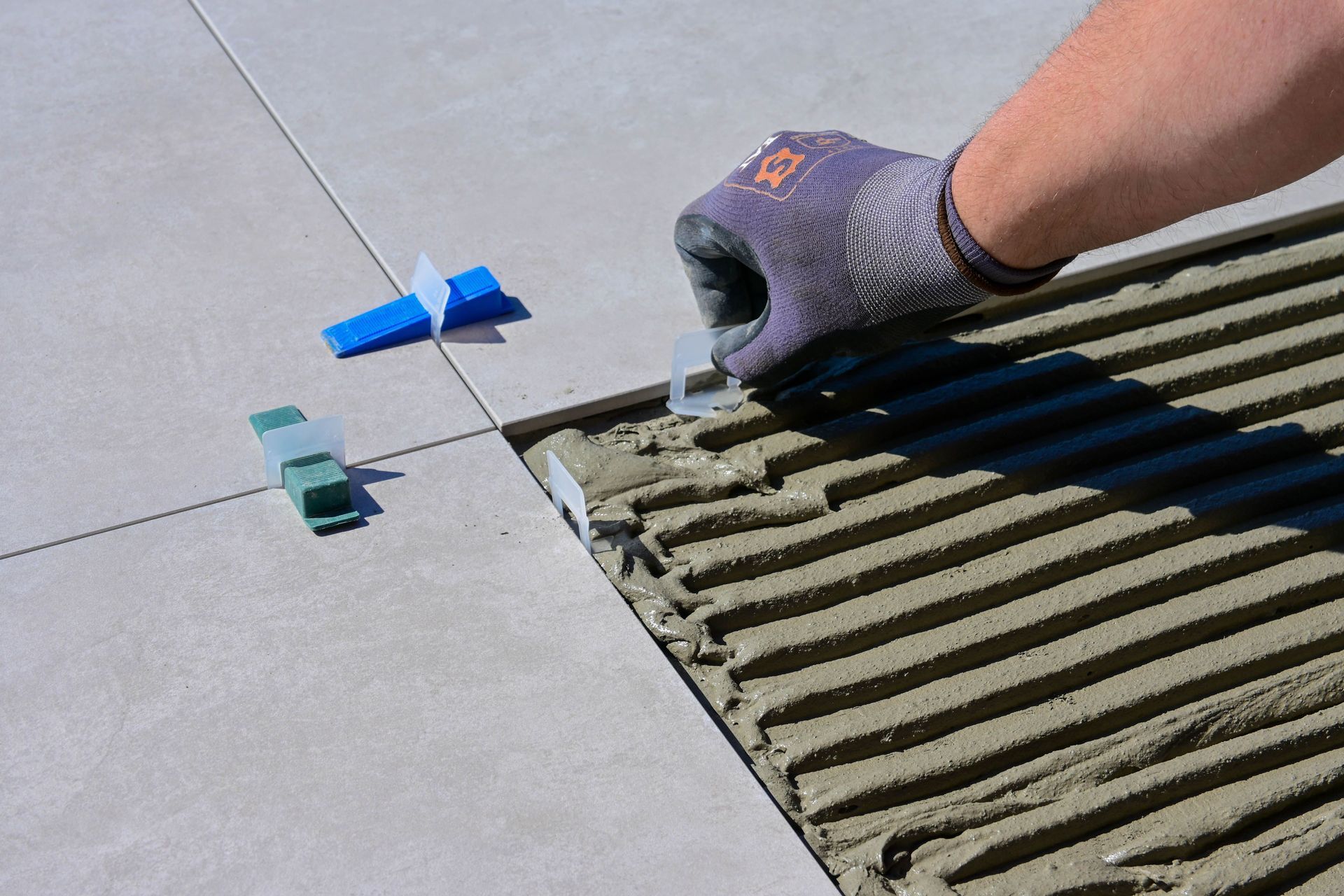
The number most people forget is the time and cost of preparing the subfloor. Uneven floors need levelling, damaged boards need replacing, and concrete floors may need a new screed. Traditional sand and cement screeds can take weeks to dry before a floor can be laid, while fast-drying compounds can take foot traffic within hours but cost more. For a business, that difference in drying time can be worth more than the difference in material cost.
Asking for floor preparation and screeding to be priced separately in a quote makes it much easier to see what you are paying for and to compare one contractor with another.
Five numbers worth recording
- Wear rating: AC rating or usage class for each room.
- Wear layer: the thickness of LVT's protective top layer.
- Expected lifespan: in that room, with that level of use.
- Preparation cost: levelling, screeding and board repairs, shown separately.
- Downtime: how long the room or premises will be out of use.
A few minutes with these figures can turn a choice based on samples into one based on value. For more on comparing home improvement projects, see our home improvements category.
More Posts, Facts, Tools & Charts