Boilers and Wet Rooms by the Numbers: Pressure, Efficiency, Lifespan and Floor Falls
The figures that matter when a boiler plays up or a level-access shower is being planned, and how to use them when comparing quotes.
Heating and bathroom work comes with more numbers than most people realise. Boiler pressure, efficiency ratings, flow rates and floor gradients all affect how well a system works, and knowing roughly what they should be makes it far easier to understand what an engineer or fitter is telling you.
Boiler pressure: 1 to 1.5 bar
Most modern sealed heating systems run at around 1 to 1.5 bar when the system is cold, rising a little as it heats up. If the pressure keeps dropping and needs topping up regularly, there is almost certainly a leak somewhere, whether at a radiator valve, the pressure relief valve or inside the boiler itself. If it climbs too high, the expansion vessel may need attention. Both are good reasons to book a Gas Safe boiler repair rather than simply topping up again and again.
Efficiency: why the boiler's age matters
Since 2005, almost all new gas boilers fitted in England have had to be condensing models, which recover heat from the flue gases that older boilers waste. Rules introduced in 2018 set a minimum efficiency of 92% for new gas boilers, along with suitable controls. By comparison, older non-condensing boilers can run well below 80% efficiency, especially as they age.
- Typical lifespan: around 10 to 15 years with annual servicing
- Modern condensing boilers: 92% ErP efficiency or better
- Older non-condensing boilers: often much lower, particularly after years of wear
Combi flow rates and household size
A combi boiler heats water as it is used, so its output decides how much hot water you get at once. Larger combis deliver more litres per minute, but every combi relies on the mains supply, and poor incoming pressure or flow will limit any boiler. A household with two bathrooms in use at the same time is often better served by a system boiler and cylinder.
Wet room floors: falls and waterproofing
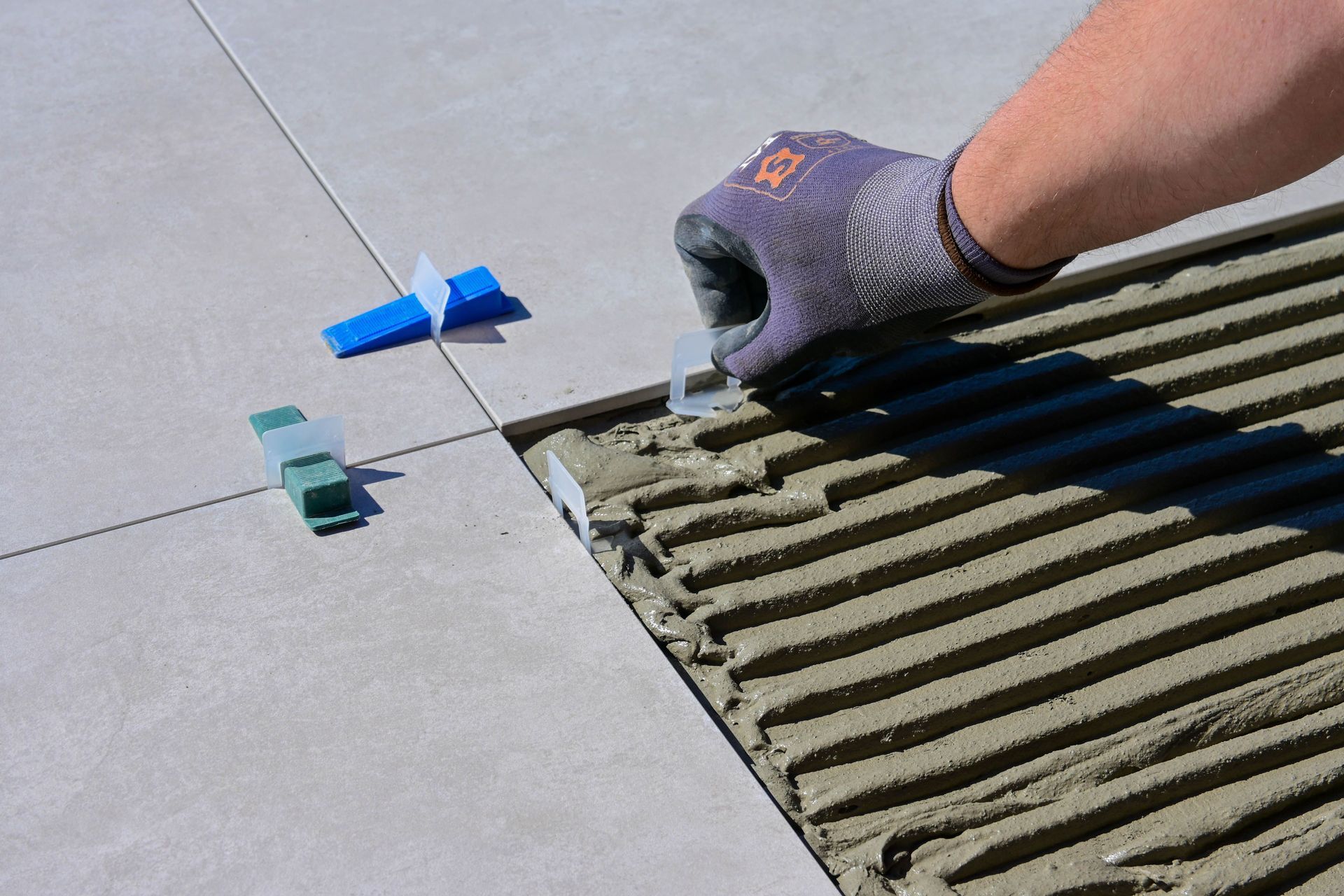
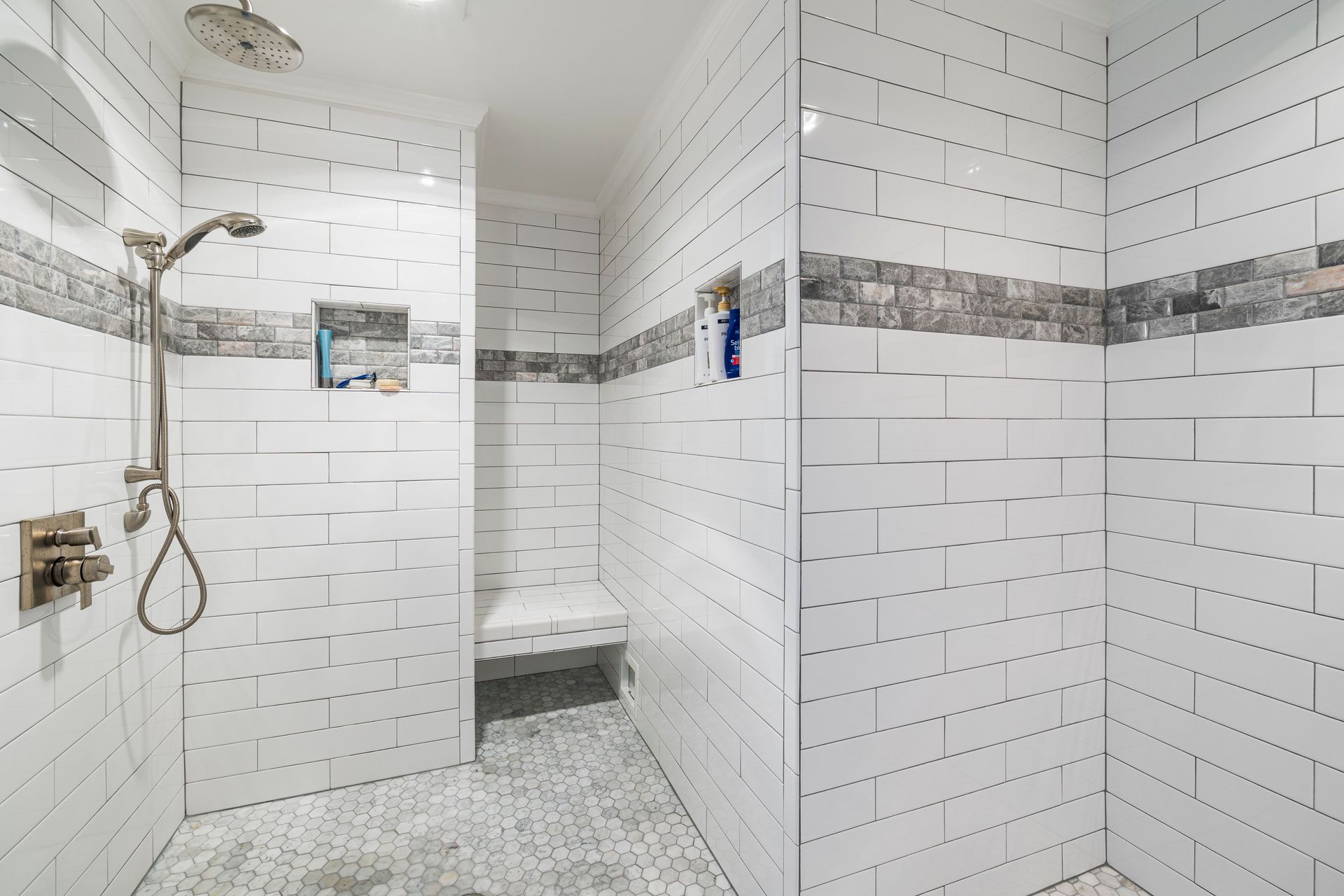
A wet room floor must slope gently towards the drain so that water never collects in the room. The fall is usually somewhere around 1:40 to 1:80, depending on the drain, the tiles and how far the water has to travel. Too shallow and water pools; too steep and the floor feels uneven underfoot, which matters for anyone with limited mobility.
The waterproofing matters even more than the gradient. The whole floor and the walls around the shower are tanked with a membrane before tiling. Ask any installer of wet rooms how the floor fall will be formed, where the drain will go and which tanking system they use.
Five numbers worth asking for
- System pressure: what it should read when cold and when hot.
- Boiler age and efficiency: the year it was fitted and its ErP rating.
- Mains flow rate: litres per minute at the kitchen tap.
- Wet room fall: the gradient and the drain position.
- Warranty length: and the servicing needed to keep it valid.
A handful of figures turns a vague quote into one you can actually compare. For more on comparing home improvement projects, see our home improvements category.
More Posts, Facts, Tools & Charts