Tiling by the Numbers: Slip Ratings, Drying Times and Tile Weights
Slip ratings, water absorption, drying times and wall weight limits: the figures behind a tiled floor or wall that lasts.
Tiles look simple, but good tiling depends on a surprising number of figures. Slip ratings, water absorption, drying times and weight limits all decide whether a tiled floor or wall will last, and most of them are printed on the box or the technical data sheet. Knowing what to look for makes it much easier to choose the right tile and to judge a tiler's quote.
Slip resistance: R ratings and pendulum values
Floor tiles are often given an R rating, from R9 to R13, based on a ramp test with oily footwear. Higher numbers mean more grip. Many tiles are also tested with a pendulum, which gives a Pendulum Test Value, or PTV. In the UK, a wet PTV of 36 or more is generally treated as low slip risk.
- Living areas and hallways: R9 or R10 is usually enough
- Kitchens and bathrooms: R10 or R11 copes better with spills and splashes
- Wet rooms and outdoor areas: R11 and above, ideally with a good wet PTV
Water absorption and wear
Porcelain is defined by low water absorption, typically 0.5% or less, which makes it hard-wearing and frost-resistant. Ceramic absorbs more water, so it is better suited to walls and lighter-use floors. Glazed tiles may also carry a PEI rating from 1 to 5 for surface wear: PEI 3 suits most domestic floors, while PEI 4 or 5 is better for busy areas. When comparing quotes for floor tiling in Derby or anywhere else, check that the tile's slip and wear ratings suit the room as well as its looks.
Drying and curing times
Tiling cannot be rushed. A traditional sand and cement screed is often given roughly a day per millimetre of thickness to dry for the first 40 mm, so a new floor may need several weeks before it can be tiled. Once tiles are laid, most standard adhesives need around 24 hours before grouting and light foot traffic, and silicone sealant needs a day or two to cure before a shower is used. Rapid-setting products shorten these times but cost more.
Weight limits on walls
Walls can only carry so much. Widely used guidance puts the limit at around 20 kg per square metre for tiles and adhesive on a plastered wall, and around 32 kg on plasterboard without a skim. Large porcelain or natural stone can exceed those figures, which is why heavier wall tiles are often fixed to cement-based backer boards instead.
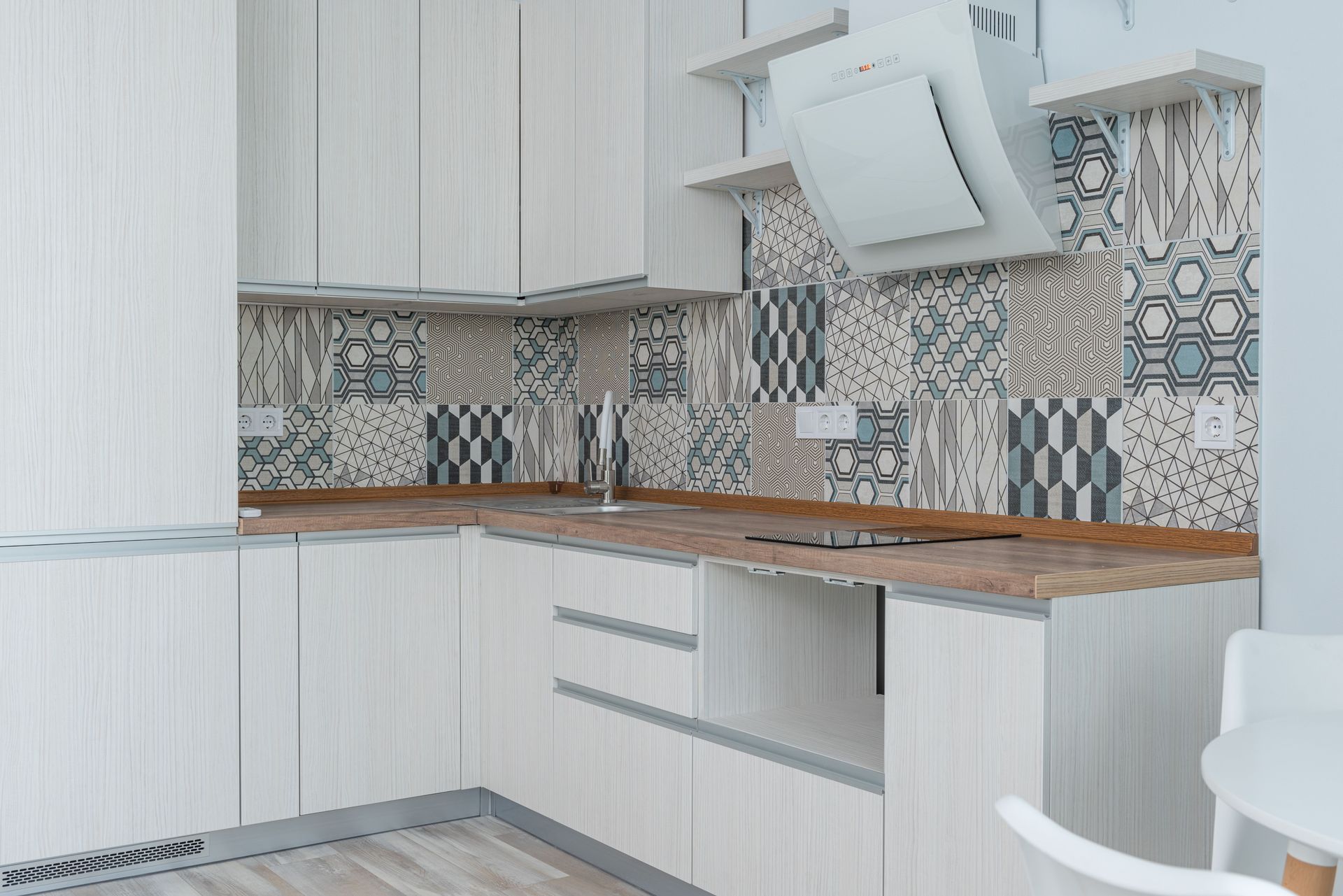
Kitchens add their own numbers: the depth of the worktop upstand, the gap of a couple of millimetres left above the worktop for a flexible sealant rather than grout, and the clearances needed behind a hob. Good kitchen tiling plans these before the first tile goes on, so the splashback lines up neatly with sockets, cooker hoods and wall units.
Five numbers worth checking
- Slip rating: R rating or wet PTV for every floor tile.
- Water absorption: 0.5% or less for porcelain.
- Screed moisture: confirmed dry before tiling starts.
- Tile weight: per square metre, compared with what the wall can carry.
- Curing times: before grouting, walking on the floor and using the shower.
A few figures from the data sheet can save an expensive re-tile later. For more on comparing home improvement projects, see our home improvements category.
More Posts, Facts, Tools & Charts