Coastal Homes by the Numbers: Roof, Gutter and Extension Figures for Barry
Slate and fixing lifespans, gutter cleaning frequency and extension timescales for homes on the Welsh coast
Homes on the coast face a harder life than those inland. Salt air, strong winds and heavy rain all take their toll on roofs, gutters and walls, and the figures show it. For homeowners in Barry and the Vale of Glamorgan, a few numbers make it much easier to plan maintenance and to judge when a repair or an extension makes sense.
Roofs: lifespans and the age of the fixings
Natural slate can last a very long time, but the nails holding it often do not. Many terraced streets in Barry were built in the decades either side of 1900, so their original iron nails are now well over a century old. As they corrode, slates slip, a problem known as nail sickness.
- Welsh slate: the slates themselves can last a century or more
- Original iron nails: often fail after around 80 to 100 years
- Ridge and verge mortar: usually needs attention long before the slates do
- Felt flat roofs: commonly 10 to 20 years, with EPDM rubber often lasting longer
A few slipped slates can be refixed, but widespread nail sickness usually means stripping and relaying the roof. Asking for roof repairs in Barry with a photographic report helps you see which situation you are in.
Gutters: how often to clean
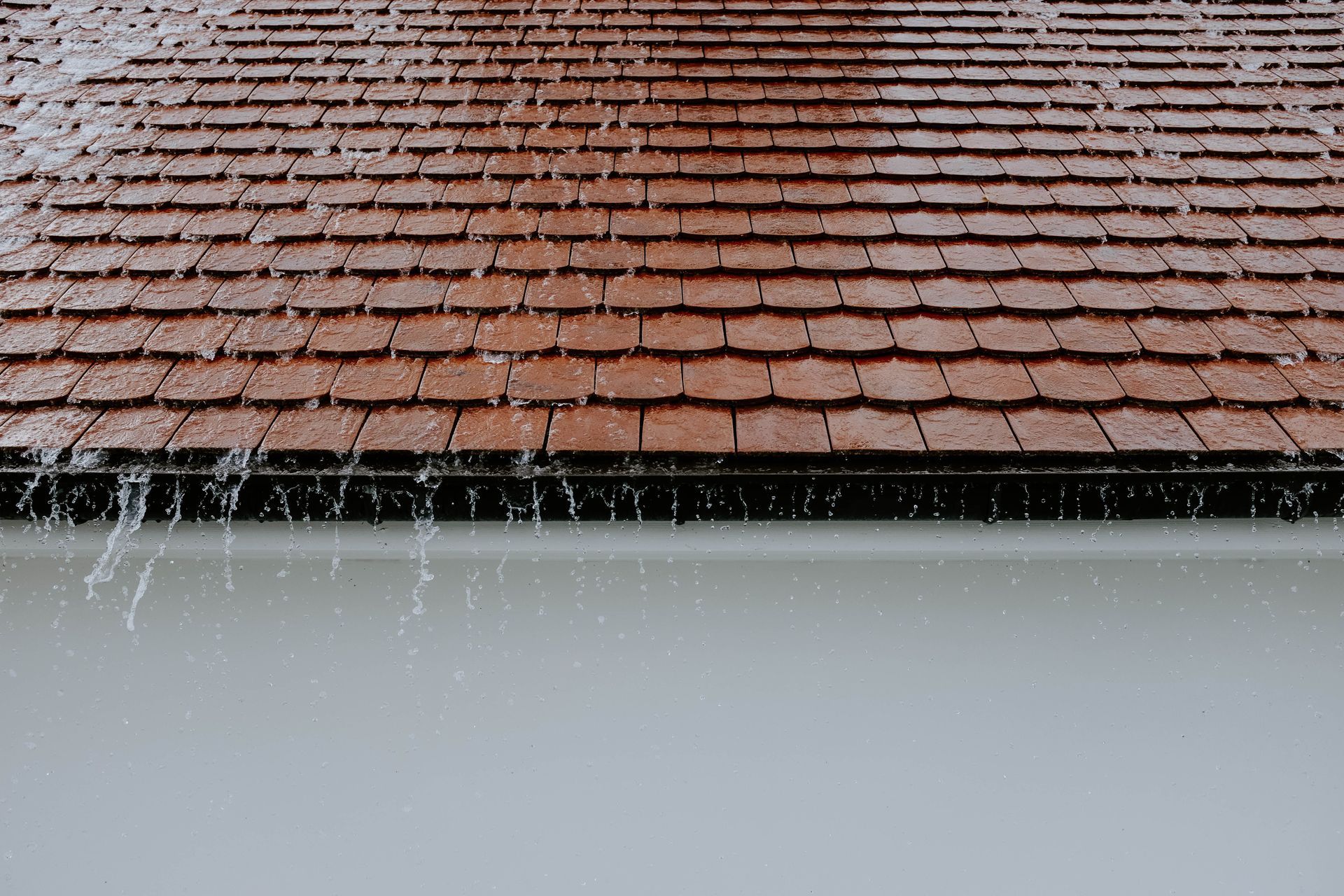
Gutters near the sea block and wear faster, because salt and wind-blown debris add to the usual leaves and moss. As a rule of thumb, inland homes need a clean at least once a year, while homes close to the coast benefit from two: one in late autumn and one in spring. Joints and brackets also need resealing more often in exposed spots.
Recording when gutters were last cleaned and repaired makes it easy to see if they are blocking faster than expected. Regular gutter cleaning and repairs are far cheaper than dealing with the damp they can cause when they overflow.
Extensions: the timescales to plan for
Extensions take longer than most people expect, especially once planning is involved. In Wales, many single-storey rear extensions can be built under permitted development, but the Welsh limits differ from England's, and larger or two-storey extensions usually need full planning permission from the local council.
- Planning decision: householder applications typically take around eight weeks
- Party wall notice: at least two months for work to a shared wall
- Single-storey rear extension: often three to four months on site
- Double-storey extension: often four to six months on site
Adding those together shows why it is worth starting early. A builder who handles house extensions in Barry will know the Vale of Glamorgan planning process and can build the timetable around it.
Five numbers worth tracking
- Roof age: and the age of the original fixings.
- Gutter cleans per year: one inland, two near the coast.
- Last repointing: ridge, verge and chimney mortar.
- Planning time: before any extension work can start.
- Weeks on site: for the type of extension you are planning.
A little record-keeping turns coastal maintenance from a series of surprises into a plan. For more on comparing home improvement projects, see our home improvements category.
More Posts, Facts, Tools & Charts